
Choosing the Right Roofing Material for your Home
Choosing the Right Roofing Material for Your Home
The roof of your home does more than protect against the elements - it also plays a significant role in energy efficiency, durability, and curb appeal. Selecting the right roofing material is a key decision during new construction or renovation, as it affects both the long-term performance and the look of your home. Understanding the strengths and considerations of different roofing materials will help you make an informed choice.
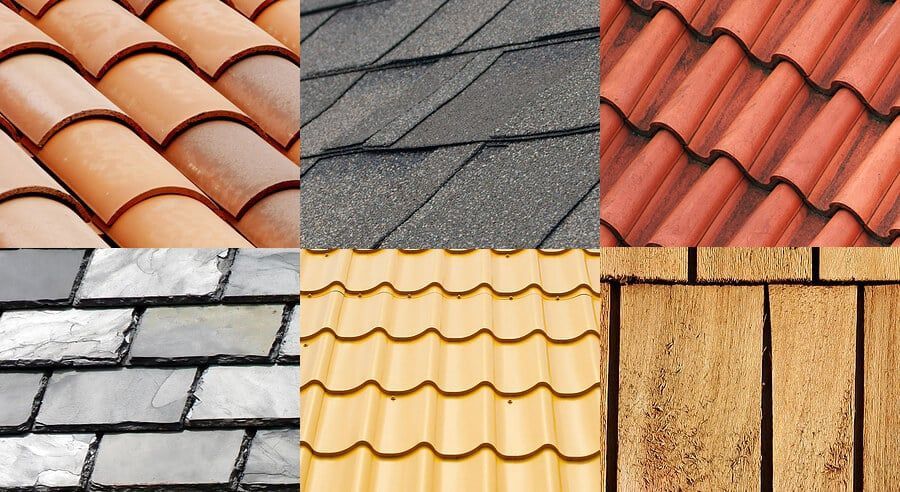
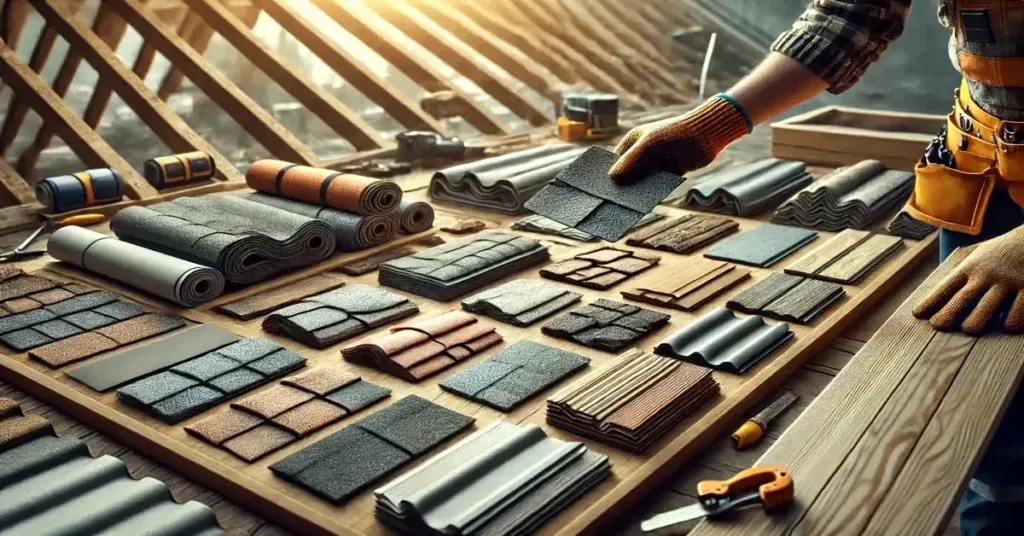
R5 Construction, together with its trade partners, provides clients with roofing samples to help them select the roof type and color that best complements their home. Whether it is adding a dormer and a new roof in Havertown or an addition and new roof in Wynnewood, R5 can help you decide!
Asphalt Shingles
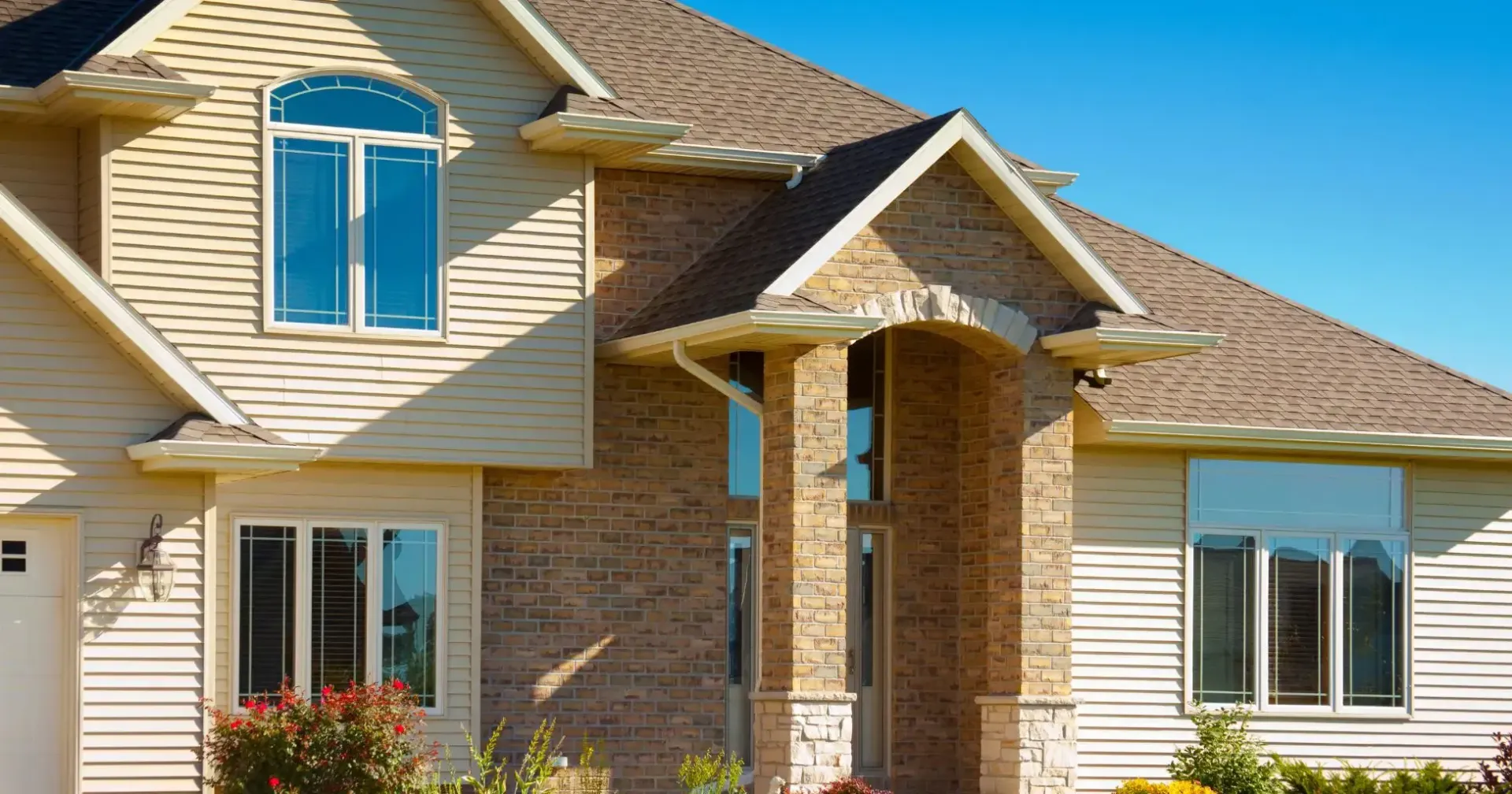
Asphalt shingles are the most common roofing material in many regions because they are affordable, durable, and easy to install.
- Advantages: Cost-effective, available in multiple colors and styles, and suitable for a wide range of climates.
- Considerations: Lifespan is typically 20-30 years, and extreme weather conditions can cause them to wear faster.
Metal Roofing
Metal roofs have grown in popularity due to their durability and modern look.
- Advantages: Long-lasting (40-70 years), resistant to fire, wind, and pests, and reflects sunlight to improve energy efficiency.
- Considerations: Higher initial costs and the potential for noise during heavy rain or hail with proper insulation.
Clay and Concrete Tile
Tile roofing is often found on Mediterranean or Southwestern-style homes, offering a distinctive and elegant appearance.
- Advantages: Extremely durable and resistant to fire and insects, with lifespans that can exceed 50 years.
- Considerations: Heavy weight may require reinforced roof framing, and installation costs are higher than shingles.
Slate Roofing
Slate is a premium natural stone option that offers timeless beauty and longevity:
- Advantages: Can last 75 to 100 years, highly resistant to fire, rot, and insects, and provides a high-end appearance.
- Considerations:
Very heavy, costly to install, and requires professional installation and a strong roof structure.
Wood Shakes and Shingles
Wood roofing brings a natural, rustic charm to a home but requires proper maintenance.
- Advantages: Attractive appearance, environmentally friendly, and provides some natural insulation.
- Considerations: Susceptible to mold, insects, and fire unless treated, and typically lasts 20 to 40 years with regular upkeep.

Synthetic and Composite Roofing
Engineered roofing products mimic the appearance of slate, wood, or tile but with lighter weight and easier maintenance.
- Advantages: Lightweight, durable, and often less expensive than the natural materials they imitate.
- Considerations: Quality varies by manufacturer, and warranties should be reviewed before purchase.
Factors to Consider When Choosing Roofing Material
- Climate: Ensure the material can withstand your region’s weather patterns.
- Budget: Factor in both upfront cost and expected lifespan for long-term value.
- Weight: Confirm your home’s structure can support heavier materials like tile or slate.
- Style: Select a material that complements your home’s architecture and enhances its curb appeal.

Bottom Line
Your roofing material impacts the durability, energy efficiency, and overall appearance of your home. Asphalt shingles are a cost-effective and widely used choice, while metal, tile, slate, and wood offer distinct benefits for specific needs and aesthetics. Synthetic options provide versatility with lower maintenance. By considering climate, budget, weight, and style, you can choose a roofing material that protects your home and elevates its value for decades.